
Jornada: Nitrous oxide and dinitrogen fluxes from urine patches under two contrasting soils in New Zealand
- Lloc:
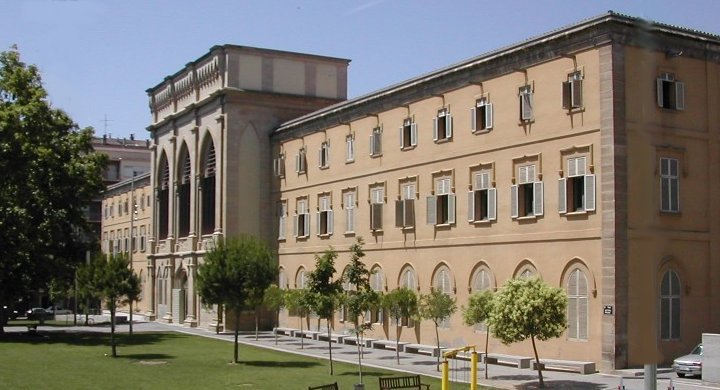
- Sala de Graus de l'ETSEAFiV (Agrònoms)
- Inici:
- |
Jornada: Nitrous oxide and dinitrogen fluxes from urine patches under two contrasting soils in New Zealand.
Urine patches in New Zealand pastoral systems are major sources of nitrous oxide (N₂O), a potent greenhouse gas, although complete denitrification can reduce N₂O to benign dinitrogen (N₂). However, quantifying in situ N₂ emissions remains challenging due to high background concentrations. This study examined how contrasting soil types influence urine-N transformations and gaseous nitrogen losses under field conditions. Results showed that soil type strongly controls nitrogen cycling, particularly the balance between N₂O production and N₂ formation. Well-drained soils tended to promote faster nitrification and lower surface N₂O emissions, while poorly drained soils favoured higher N₂O production under more anaerobic conditions.
Keren Ding is a scientist at the Bioeconomy Science Institute in New Zealand. Her research focuses on nitrogen cycling in pastoral systems, particularly how soil conditions regulate nitrogen transformations and greenhouse gas emissions from urine patches. She also has experience in process-based modelling (APSIM) to support the development of higher-tier emission factors, as well as experimental work investigating the effectiveness of N₂O mitigation strategies, including biological nitrification inhibition (BNI) plants and synthetic nitrification inhibitors (NI).